Source Desktop Laptop Charger for Commercial, Industrial, and Residential Use
Explore 30 available desktop laptop charger options tailored for commercial, industrial, and residential applications. Compare specifications such as 65W and 150W-250W power ratings, DC output types, and various connector sizes to find the right fit for your sourcing needs; compare the available evidence and request quotations based on your requirements.
Key considerations
Products List


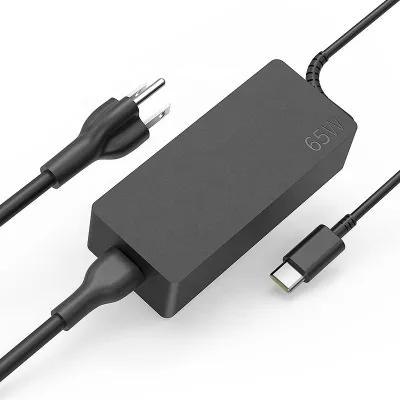


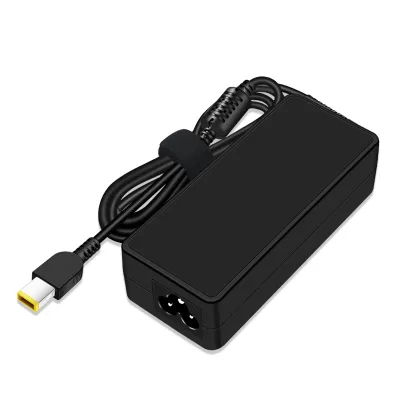
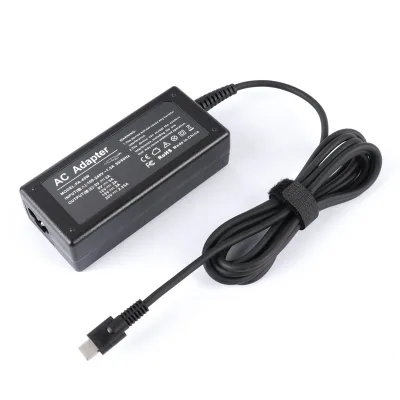
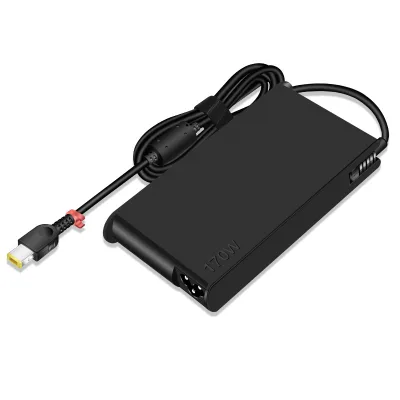
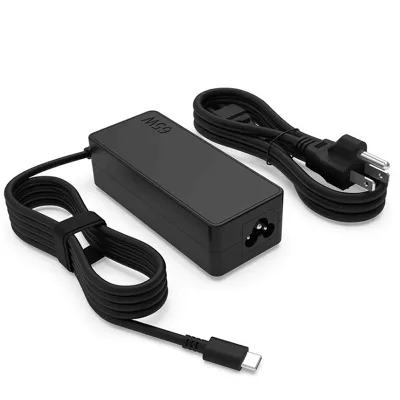


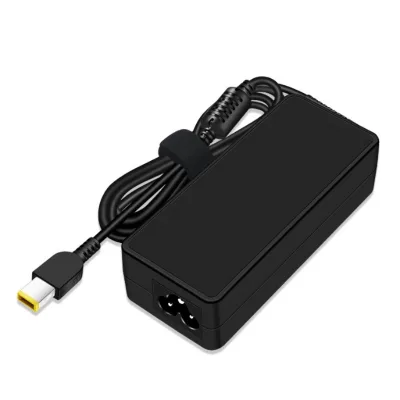
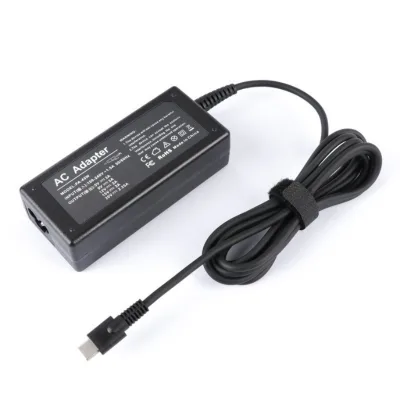


Comprehensive Sourcing Guide
Desktop Laptop Charger Sourcing Guide
Procuring desktop and laptop chargers requires distinguishing between general-purpose adapters and specialized industrial power units. The market offers a diverse range of models, including specific variants like the LGT-G1 and ZM-65W, which cater to distinct voltage and current requirements. Buyers must carefully align their selection with the intended device, whether it is a standard laptop, a high-performance game player, or a critical server application.
Verification of the physical form factor and connection type is essential before finalizing any order. Listings indicate that connectors vary significantly, with common sizes including 5.52.5mm and 6.33.0mm, while cable lengths are often standardized around 1.5 meters. Ensuring the correct internal structure, such as On-Off or Full-Bridge types, guarantees compatibility with the specific power demands of the target equipment.
Product Scope and Observed Listing Signals
The available inventory spans a wide spectrum of power ratings, ranging from 65W units suitable for standard laptops to higher capacity options rated between 150W and 250W for desktops and servers. Observations show that products are frequently categorized by their output type, with some units providing DC output while others support AC or DC configurations. This variation necessitates a clear understanding of the specific power needs of the end-user device to avoid purchasing incompatible hardware.
Packaging and condition details provide critical insights into the logistics and readiness of the supply. Most items are shipped in cartons containing specific quantities, such as six or eight pieces per box, and are listed as new or used stock. Buyers should note that some listings explicitly state a single item selling unit, while others may have minimum order quantities as high as 2000 units, directly impacting the procurement strategy for small versus large-scale operations.
Technical Specifications to Verify
Technical due diligence must focus on the precise model numbers and electrical characteristics to ensure seamless integration. Specific models like the LGT-P205 and CDL-219 are associated with distinct standards and dimensions, such as 1094731mm or 1294938mm. Confirming the exact model number prevents confusion between similar-looking adapters that may have different voltage outputs or current ratings, which are critical for the safety and longevity of the connected electronics.
Protection mechanisms and power source types are equally vital for operational reliability and safety. Many units feature comprehensive protection against over-voltage, over-current, over-load, and over-temperature conditions, often utilizing Full-Bridge or Push-Pull topologies. Buyers should verify that the grounding is standard and that the internal structure matches the application requirements, ensuring the charger can handle the specific load without failure during continuous operation.
Compliance and Safety Documentation
Safety certifications are a non-negotiable aspect of sourcing power adapters for commercial and industrial environments. The observed listings frequently cite certifications such as CCC, RoHS, and ISO, with some products also displaying TUV marks. These documents verify that the manufacturing process adheres to strict safety and environmental standards, which is particularly important for equipment used in hospitals, laboratories, and general-purpose residential settings where user safety is paramount.
Documentation must also confirm the origin and manufacturing standards to ensure traceability and quality consistency. Products are typically sourced from regions like Guangdong, China, and must meet specific packing standards, such as six or eight pieces per carton box. Buyers should request proof of these certifications and verify that the product origin matches the declared location to mitigate risks associated with counterfeit or substandard components entering the supply chain.
Cost Drivers and Commercial Terms
Pricing in this category is influenced by power capacity, certification levels, and customization options. The observed price range is broad, extending from $0.18 to $51, reflecting the difference between basic adapters and specialized, high-power units. Customization availability allows buyers to tailor products to specific branding or technical needs, but this often introduces variable costs that must be factored into the total cost of ownership alongside the base unit price.
Minimum Order Quantities (MOQ) and selling units significantly affect the financial viability of the procurement. While some suppliers offer single-item purchases, others enforce MOQs of 500 units or higher, with ranges extending up to 2000 units for certain models. Understanding these thresholds is crucial for budgeting, as purchasing below the MOQ may result in higher per-unit costs or the inability to secure the order entirely, requiring strategic planning for inventory levels.
Supplier Qualification and Quality Control
Supplier qualification relies heavily on verifying the status of the products and the availability of private molds. Listings indicate that some products are stock items while others are used, and the presence or absence of private molds can impact exclusivity and quality control. Buyers should prioritize suppliers who can demonstrate a clear status for their inventory and confirm whether the products are manufactured using proprietary designs or standard off-the-shelf molds.
Quality control processes must be validated through the supplier's ability to provide consistent product conditions and warranty terms. A standard warranty period of 24 months is observed for certain models, indicating a commitment to product longevity. Procurement teams should verify that the supplier maintains a rigorous inspection process to ensure that every unit meets the specified standards for color, connection, and internal structure before shipment.
Long-Term Procurement Checks
Sustaining a reliable supply chain requires ongoing monitoring of product availability and standard compliance. The market offers various models with different standards, such as 6 pieces or 8 pieces per carton, and buyers must ensure these packing standards remain consistent over time. Regular audits of the supplier's inventory status, including whether items are in stock or used, help prevent disruptions in the supply of critical power components for desktop and laptop systems.
Future-proofing the procurement strategy involves staying informed about evolving standards and certification requirements. As regulations change, suppliers must adapt their products to maintain certifications like CCC and RoHS. Buyers should establish a protocol for periodic re-verification of these standards and ensure that the supplier remains capable of meeting updated safety and environmental mandates without compromising the performance of the desktop and laptop chargers.
FAQs
What certifications are available for desktop laptop chargers?
Certifications such as CCC, RoHS, ISO, and TUV are available for desktop laptop chargers. These standards ensure safety and compliance for commercial, industrial, and residential applications. Buyers should verify specific certification requirements with suppliers to match regional regulations and product specifications.
Can desktop laptop chargers be customized for specific needs?
Yes, desktop laptop chargers can be customized to meet specific requirements. Customization options include power output, connector types, and packaging standards. Suppliers offer OEM services and tailored solutions for various applications, ensuring the product fits unique operational needs and branding preferences effectively.
What is the typical MOQ for desktop laptop charger orders?
The typical MOQ for desktop laptop charger orders ranges from 5 to 2000 units. Specific MOQs depend on the supplier and product model, with some requiring as low as 500 units. Buyers should confirm MOQ details directly with manufacturers to align with their procurement volume.
Which power outputs are common for desktop laptop chargers?
Common power outputs for desktop laptop chargers include 65W, 150W, and up to 250W. These chargers support DC or AC outputs and feature protections like OVP, OCP, and OTP. Selecting the right wattage ensures compatibility with devices such as laptops, servers, and game players.
Where are desktop laptop chargers typically manufactured?
Desktop laptop chargers are typically manufactured in China, with many suppliers located in Guangdong. This region is known for its robust electronics manufacturing ecosystem. Buyers can source products with various certifications and specifications from these established manufacturing hubs for reliable supply chain integration.
What warranty periods are offered for desktop laptop chargers?
Warranty periods for desktop laptop chargers often include 24 months coverage. This warranty protects against defects and ensures product reliability for commercial and residential use. Buyers should verify warranty terms with suppliers to understand coverage details and support services provided for the purchased units.